
Ultimate Guide to Downloading Apps for Android and iOS
In today’s digital age, downloading apps for your mobile device has become an essential part of everyday life. Whether you’re looking for productivity tools, games, or social media platforms, the process of download for Android and iOS can vary. Understanding these differences can help enhance your user experience and ensure that you get the apps you want in the most efficient way possible.
1. Understanding the Platforms
Before diving into the specifics of downloading apps, it’s important to understand the two major platforms: Android and iOS. Android, developed by Google, is known for its flexibility and the wide variety of devices it supports. On the other hand, iOS, developed by Apple, is recognized for its smooth user experience and security.
2. Downloading Apps for Android
Downloading apps on Android devices is primarily done through the Google Play Store. Here’s a step-by-step guide to help you navigate the process:
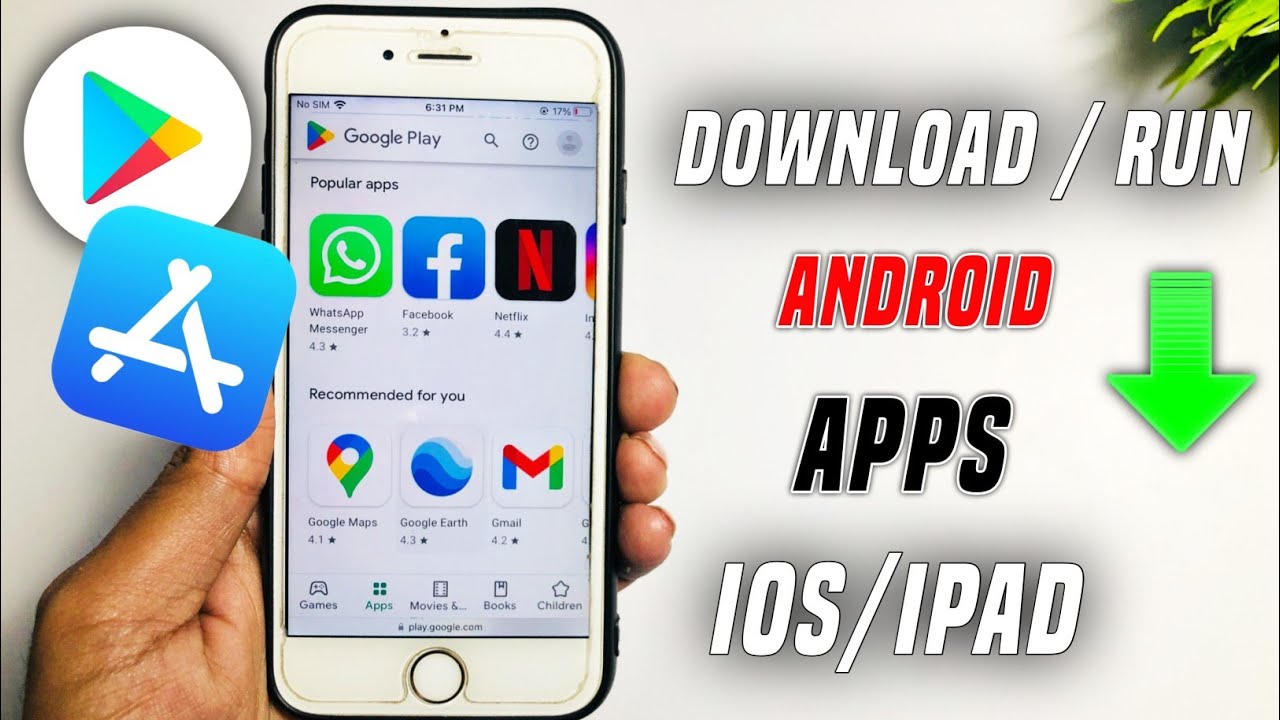
- Open the Google Play Store: Look for the Play Store icon on your device and tap to open it.
- Search for the App: Use the search bar at the top to find the app you want to download.
- Select the App: From the search results, tap on the app you wish to download.
- Install the App: Click on the “Install” button. The app will automatically begin downloading and installing on your device.
- Open the App: Once installed, you can open the app directly from the Play Store or find it on your home screen or app drawer.
3. Downloading Apps for iOS
For iOS devices, the App Store is your go-to destination for downloading apps. Here’s how to do it:

- Open the App Store: Tap the App Store icon on your iPhone or iPad.
- Search for the App: Use the “Today,” “Games,” or “Apps” tabs, or just tap the search icon to find your desired app.
- Select the App: Tap on the app name to see more details.
- Download the App: Tap the “Get” button (or the price button for paid apps) to begin downloading. You may need to authenticate using your Apple ID, Face ID, or Touch ID.
- Open the App: Once downloaded, you can find the app on your home screen and start using it.
4. Alternative Sources for App Downloads
While the Google Play Store and the App Store are the official sources for downloading apps, there are alternative methods to obtain apps. These include:
- APK Files (Android): For Android users, .apk files can be downloaded from trusted sources. However, it’s important to ensure they are from reputable sites to avoid malware.
- Third-party App Stores: Platforms like Amazon Appstore for Android offer various apps. On iOS, jailbreaking can allow access to alternative app stores, but this comes with risks.
5. Best Practices for Safe Downloads
When downloading apps, safety should always be a priority. Here are some best practices to consider:
- Read Reviews: Check user reviews and ratings before downloading an app to gauge its reliability and functionality.
- Check Permissions: Review the permissions an app requests upon installation. If an app asks for excessive access, consider looking for an alternative.
- Update Regularly: Keep your apps updated to ensure you have the latest features and security improvements.
- Use Security Software: For Android users, consider installing reliable antivirus software to protect your device from harmful apps.
6. Conclusion
Downloading apps for your Android or iOS device is a straightforward process that enhances the functionality of your smartphone or tablet. By following the guidelines outlined in this article, you can ensure a safer and more efficient app downloading experience. Whether you prefer Android or iOS, the vast array of applications available will cater to all your needs.
Whether you’re looking for the latest games, productivity tools, or unique social media platforms, knowing how to navigate app downloads can empower you to make the most of your mobile device.

Comentarios recientes