
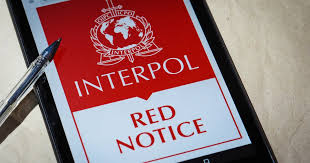
In the expanding world of international law enforcement, Interpol Lawyers interpolrednoticeremoval.com plays a pivotal role, particularly through the involvement of Interpol lawyers. These legal experts are essential in navigating the intricacies of international laws, treaties, and cooperation frameworks that govern cross-border criminal prosecution. A growing need for legal representation specializing in Interpol matters has emerged as global interactions increase.
Understanding Interpol and Its Functions
Interpol, or the International Criminal Police Organization, is an agency that facilitates international police cooperation. It was founded in 1923 and has its headquarters in Lyon, France, coordinating law enforcement agencies across 195 member countries. Interpol’s primary purpose is to assist in the prevention and investigation of transnational crime, including terrorism, human trafficking, drug smuggling, and cybercrime. Its role encompasses sharing criminal intelligence, technological support, and the issuance of notices, particularly the Red Notice, which alerts member countries about individuals wanted for prosecution or to serve a sentence.
The Crucial Role of Interpol Lawyers
Interpol lawyers serve as important intermediaries and advisors during legal proceedings involving Interpol notices or investigations. Their work involves understanding the complexities of international law and the protocols that govern Interpol’s operations. Some of their primary functions include:
- Legal Representation: Individuals targeted by Interpol notices often require legal representation to navigate the complexities of the judicial process. Interpol lawyers advocate for these individuals in various jurisdictions, ensuring that their rights are protected throughout proceedings.
- Challenging Notices: Lawyers often work on challenging the validity of Red Notices and other types of notices issued by Interpol. They analyze whether the notices comply with both Interpol’s rules and the laws of the countries involved, potentially leading to their annulment.
- Legal Advice: Lawyers provide essential legal counsel to clients, helping them understand their rights and obligations in relation to Interpol notices. This includes advice on extradition processes and international human rights standards.
- Negotiation and Mediation: Some Interpol lawyers engage in negotiations with law enforcement agencies and Interpol officials to mediate disputes or seek a resolution favorable to their clients.
- Training and Education: Many Interpol lawyers also contribute to the education of police officials and other legal practitioners on the International Criminal Police Organization’s regulations, ensuring better compliance and understanding of international legal procedures.
The Importance of Specialized Knowledge
Interpol lawyers must have extensive knowledge of both international law and the legal systems of various jurisdictions. They must be adept in understanding treaties, conventions, and legal frameworks that govern international cooperation amidst multifarious legal systems. Moreover, proficiency in multiple languages can be highly beneficial, as it aids communication and negotiation efforts across different jurisdictions.
Challenges Faced by Interpol Lawyers
One of the significant challenges faced by Interpol lawyers is the lack of standardization in how different countries interpret and implement Interpol Notices. Additionally, the political context of the countries involved can greatly influence legal outcomes. Sensitive cases may involve accusations of political persecution, raising critical human rights considerations. Interpol lawyers must skillfully navigate these intricate legal and political landscapes, often requiring them to advocate not just for their clients but also for adherence to fundamental legal principles.
Success Stories and Case Studies
Throughout its history, there have been notable instances where Interpol lawyers have successfully challenged the legality of Red Notices, leading to the reinstatement of individuals’ rights and freedoms. Each case can provide insight into the effectiveness of legal arguments used to contest these notices and highlight how expert intervention can significantly alter a person’s circumstances.
The Future of Interpol Lawyers
As global crime becomes increasingly complex, the demand for adept Interpol lawyers is likely to grow. The intersection of technology and law enforcement will prompt new legal challenges regarding data sharing, privacy rights, and jurisdictional issues. As such, ongoing training and education will be imperative for legal practitioners in this field.
Conclusion
Interpol lawyers occupy a critical niche in the global legal landscape, serving as bridges between individuals and international law enforcement structures. They ensure that the rights of those subject to Interpol notices are defended, while also promoting compliance with international standards. As the world becomes more interconnected, the role of these legal specialists will undoubtedly grow in importance, driving the need for expertise in both legal and diplomatic spheres.

Comentarios recientes