
Experience the Thrill of Real Time Live Casino Games From Home
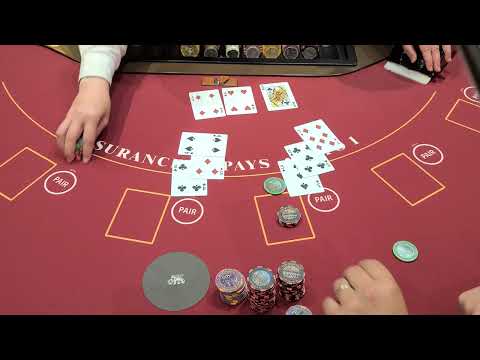
Step into the action from your living room with a live casino, where real dealers host your favorite games in real-time via HD stream. It’s the perfect blend of online convenience and the authentic, social buzz of a brick-and-mortar floor. Get ready for an immersive experience that brings the thrill straight to you.
Real-Time Gaming: The Allure of Streamed Tables
Imagine the electric hum of a bustling casino floor, now delivered directly to your screen. Real-time gaming through streamed tables shatters the barrier between virtual and physical worlds, offering a uniquely immersive experience. Instead of facing cold algorithms, you watch a flesh-and-blood dealer shuffle cards or spin a roulette wheel in high-definition video. This format captures the authentic, social rhythm of the game, allowing you to chat with the dealer and other players, creating a shared moment of thrill. The key allure is the live casino experience, which builds profound player trust by making every outcome feel transparent and genuine. You are not clicking a button; you are participating in a live event.
“The true magic lies not in the code, but in the human interaction that confirms each card’s fall is real.”
This fusion of convenience and raw, real-world tension forms the core of its dynamic appeal, proving that even in a digital age, nothing beats the palpable drama of a hand played in real time, driving real-time engagement to new heights.
How HD Broadcasts Replicate the Brick-and-Mortar Floor
There’s something magnetic about watching a live dealer shuffle cards or spin a roulette wheel in real time. Live dealer casino games bridge the gap between digital convenience and the authentic buzz of a brick-and-mortar floor. You get the social interaction—chatting with the croupier and other players—without leaving your couch. The tech behind it all, from multiple camera angles to seamless streaming, makes you feel like you’re actually sitting at the table. It’s not just about luck; it’s about witnessing every honest move as it happens, which builds trust and excitement that RNG games sometimes lack. For many, that human element turns a simple bet into an event.
Professional Dealers and Interactive Chat Systems
Real-time gaming, particularly through streamed tables, merges the convenience of online play with the authenticity of a land-based casino. These tables broadcast a live dealer via high-definition video, allowing players to place bets digitally while observing real cards, wheels, or dice. The core attraction is the elimination of random number generators, replacing them with tangible human action and physical equipment. This format builds trust by letting users witness every shuffle and spin as it happens. Live dealer casino games have surged in popularity for replicating the social atmosphere of a physical venue, complete with chat functions and professional croupiers. The experience bridges a gap for players who desire genuine casino interaction without leaving home, offering a transparent and engaging alternative to standard digital tables.
Why Players Choose Remote Tables Over Physical Venues
Real-time streaming tables have revolutionized online gaming by merging the convenience of digital play with the authentic atmosphere of a physical casino. Unlike RNG-based games, these tables broadcast a live dealer shuffling cards or spinning a roulette wheel, creating a transparent and immersive experience. Players interact through chat, fostering social dynamics absent from standard slots. The allure lies in the perfect balance: you get the speed and accessibility of online betting without sacrificing the tactile thrill of real chips and human croupiers. This format erases doubt about algorithmic manipulation, as every shuffle is witnessed in real-time. For seasoned gamblers, the unpredictability of a human dealer adds a layer of strategic complexity. For newcomers, the guided, interactive environment lowers the intimidation factor. Ultimately, streamed tables deliver the best of both worlds—high-stakes energy from your living room.
Key reasons players choose live tables over digital ones:
- Transparency: See every card, spin, or dice throw happen live.
- Authenticity: Real dealers, genuine table chatter, and physical equipment.
- Engagement: Chat features and real-time interaction with the dealer.
Quick Q&A
Q:
Are streamed tables slower than automated games?
A:
Game Selection: Beyond Blackjack and Roulette
While blackjack and roulette dominate casino floors, a strategic approach to game selection considers often-overlooked options to maximize your edge. For instance, baccarat offers a remarkably low house edge on the banker bet, especially in the smaller commission variants, demanding no complex decisions. Craps, despite appearing chaotic, provides several bets with a house edge under 2%, like the pass line with free odds. Similarly, video poker machines, when variations like “Jacks or Better” are played with perfect strategy, can return over 99.5%. Mastering these nuanced games shifts the focus from pure chance to long-term odds management, a critical yet neglected aspect of disciplined play.
Diverse Variations of Classic Card Games
When you step into a casino or log onto a gambling site, it’s easy to get stuck on blackjack and roulette, but exploring beyond those classics can seriously level up your experience. You’ll find games that mix strategy with pure fun, offering better odds or unique thrills. For example, baccarat strategy tips appeal to players who love low house edges without complex decisions. Meanwhile, craps might look intimidating but actually delivers some of the best player odds in the house if you stick to simple bets like the pass line. For something visual, try video poker, where skill matters more than luck. Don’t ignore side games like Pai Gow or Caribbean Stud either—they’re slower-paced and less intimidating for newcomers. The key is variety: shift your focus from the wheel and the felt to discover games that fit your personal vibe and risk style.
Exclusive Game Show Formats and Spin-Offs
While blackjack and roulette dominate the casino floor, strategic players maximize their edge by exploring games with lower house percentages or unique skill-based layers. High-value table game alternatives include baccarat, where the banker bet carries a mere 1.06% house edge, and craps, which offers the “don’t pass” line at 1.36%. For analytical minds, video poker (e.g., Jacks or Better with perfect play) can push the return above 99%, while Pai Gow Poker focuses on slow, low-volatility sessions. Avoid novelty side bets; they often inflate the house advantage.
Q&A:
Q: Which game offers the lowest house edge after blackjack?
A: Baccarat’s banker bet (1.06%), followed by craps’ don’t pass (1.36%).
Poker Rooms With Live Dealers vs. Automated Tables
While blackjack and roulette dominate the casino floor, savvy players know that game selection extends far beyond these classics. Exploring lesser-known options like Baccarat, Craps, or Pai Gow Poker can drastically shift the house edge in your favor. Each game offers unique odds and strategies, from the low-risk simplicity of Baccarat to the complex bet structures in Craps. For instance, Pai Gow’s slow pace reduces hourly risk, while Caribbean Stud introduces progressive jackpots. Diversifying your play isn’t just fun—it’s a calculated move to maximize entertainment and minimize losses.
- Baccarat: Low house edge (1.06% on Banker bets), simple rules.
- Craps: High energy, with Pass Line bets offering a 1.41% edge.
- Pai Gow Poker: Slow pace, frequent pushes (ties), lower volatility.
Q: Why avoid sticking to just blackjack and roulette?
A: Diversifying reduces predictability for the casino and lets you exploit games with better odds or slower action, preserving your bankroll longer.
Tech Infrastructure: Seamless Streaming and Low Latency
The neon glow of the server farm painted the midnight sky, a silent cathedral of humming drives. Inside, data packets didn’t just travel; they performed a choreographed ballet, bypassing congested nodes with algorithmic grace. For a gamer in Tokyo, the flicker of a fireball in Berlin was not a delayed echo but a heartbeat shared across continents. This invisible architecture—the backbone of seamless streaming—turned latency from a frustrating hitch into an afterthought. Fiber optics became lightning rods, while edge servers acted as local oracles, predicting every click. The result was immersion so complete that the boundary between digital and real faded, leaving only the pure, instantaneous flow of the experience.
Optical Character Recognition and Data Synchronization
Reliable tech infrastructure is the backbone of any successful live event, ensuring viewers never miss a moment. Advanced content delivery networks (CDNs) intelligently route data to minimize buffering, while edge computing processes streams closer to the user for sub-second response times. Key components include low-latency encoding protocols like WebRTC and scalable cloud servers that auto-adjust to traffic spikes. This architecture transforms chaotic demand into a seamless viewing experience. By investing in redundant fiber backbones and adaptive bitrate streaming, broadcasters guarantee crisp video and real-time interaction, turning casual watchers into loyal audiences.
Mobile Optimization for On-the-Go Play
Seamless streaming and low latency are foundational to modern tech infrastructure, ensuring real-time delivery of audio, video, and data without buffering or perceptible delay. This performance relies on a layered ecosystem: high-bandwidth fiber backbones, edge computing nodes for localized processing, and content delivery networks (CDNs) that cache assets closer to users. For interactive applications like live sports, gaming, or telemedicine, even sub-second latency can break user experience. Protocols such as WebRTC and HTTP/3 with QUIC are optimized for packet loss recovery and reduced round trips. Reliable low latency streaming infrastructure directly impacts user retention and platform competitiveness. Key enablers include adaptive bitrate streaming, efficient compression codecs, and distributed server architectures that balance load dynamically. Without this robust backbone, services degrade into lag, buffering, or dropped connections.
Server Reliability and Bandwidth Requirements
The flicker of a lagging stream is the enemy of immersion, a ghost in the machine that shatters a viewer’s willing suspension of disbelief. Modern tech infrastructure erases this ghost, building a digital highway where packets of light move faster than thought. The secret lies in a global mesh of edge servers, caching content mere milliseconds from the end user, bypassing the choked arteries of the internet backbone. This architecture is the invisible hand that makes a live concert feel like a front-row seat, or a cloud-based game play as if the engine were in the room. For the creator, seamless streaming and low latency are the difference between a shared experience and a technical failure. The magic isn’t in the flashy interface, but in the silent, relentless coordination of servers, codecs, and fiber optics, ensuring that every frame arrives with the precision of a heartbeat, not the stumble of a buffer wheel.
Wagering Mechanics and Real-Time Decisions

Wagering mechanics form the core framework of gambling and betting systems, governing how stakes are placed and odds are calculated. These mechanics require participants to assess risk and potential reward before committing funds. In modern digital environments, real-time wagering decisions become critical as dynamic odds fluctuate based on live data, player performance, or market movement. Bettors must process rapidly changing information—such as shifting point spreads or in-game events—to decide when to lock in a stake or adjust a position. This interplay between fixed structural rules and instantaneous choice demands both strategic forethought and adaptive reflexes. The integration of live feeds and algorithmic updates intensifies cognitive load, as a split-second delay can alter potential outcomes or payout structures significantly. Ultimately, effective navigation of these mechanics balances mathematical probability with rapid situational awareness.
Speed of Play Compared to Standard Online Slots
Beneath the flash of the slot reels, the engine hums with wagering mechanics—multipliers, cascading symbols, and progressive jackpots that shift the odds with every spin. A player watches the meter climb, then makes a real-time decision: cash out modest winnings or risk it all for the bonus round. The house edge lurks unseen, but a savvy gambler knows when to fold. Real-time decision-making under pressure defines the difference between a lucky streak and a calculated exit. One heartbeat can turn a payout into a story you tell for years.

Betting Limits for High Rollers and Casual Players
Real-time betting mechanics force you to think on your feet, turning each moment into a chance to win or lose. As odds shift second-by-second, you decide whether to lock in a wager or wait for a better opening. A quick glance at live stats can mean the difference between a smart play and a rushed mistake. Timing isn’t just luck—it’s a skill you can sharpen with practice. In-game options like cash-outs or hedge bets add layers, challenging you to balance gut instinct with cold data. Every click matters, so staying calm under pressure is key. The rush comes from reading the flow and acting before the window closes.

Side Bets, Insurance, and Secondary Wager Options
Wagering mechanics drive the core of real-time decisions by forcing players to weigh risk against reward within seconds. In live betting environments, odds shift dynamically based on unfolding events—such as a player injury or sudden weather change—demanding immediate analysis of probability and payout. True success relies on reading momentum, managing bankroll discipline, and executing split-second choices without hesitation. The difference between profit and loss often hinges on a single click. Whether adjusting stake size mid-match or hedging positions as action unfolds, mastering these mechanics turns uncertainty into a tactical advantage. The strongest bettors don’t just follow numbers; they instantly interpret shifting variables to seize fleeting opportunities.
Designing Trust: Fairness and Regulation
When the algorithm silently denied a single mother’s loan, trust fractured. Designing trust in artificial intelligence demands more than elegant code—it requires weaving fairness and regulation into every decision layer. I recall a product meeting where a developer argued that bias was “just data,” until we saw how a hiring model systematically penalized older résumés. We realized that true innovation cannot thrive on unregulated feedback loops.
Without built-in fairness, automation becomes a machine for replicating injustice.
Today, my team audits models not just for accuracy, but for equity—partnering with regulators to shape transparent guidelines. This blend of ethical design and enforceable policy transforms a cold algorithm into a partner worthy of human reliance. That is the architecture of lasting trust.
Random Number Generator Integration With Human Dealers
Designing trust requires embedding fairness directly into algorithmic systems through proactive regulation, not as an afterthought. AI fairness regulation must mandate transparent auditing of training data to eliminate historical biases, ensuring all demographic groups receive equitable outcomes. Without enforced standards, automated decisions in hiring, lending, or law enforcement risk perpetuating systemic discrimination. Effective governance combines predefined ethical benchmarks with continuous monitoring, creating a loop where violations trigger https://jalwaverse.co.in immediate corrective action. This approach builds public confidence by proving that technology can serve justice when held to clear, enforceable rules. The path forward is unambiguous: rigorous regulation is the bedrock of trustworthy AI.
Licensing Bodies and Third-Party Audits
In the fledgling days of AI, trust felt fragile, like a half-built bridge over a chasm of unknowns. The journey toward fairness in algorithmic decision-making began not in code, but in a collective reckoning. Engineers realized that a model trained on biased data could amplify societal fractures, denying loans or job interviews without a whisper of accountability. Regulations soon took shape as guardrails: first, mandates for transparent audits to reveal hidden prejudices; then, rules requiring clear explanations for automated choices. Trust, it turned out, wasn’t a feature to code—it was a covenant to earn. Today, designing fair systems means weaving these rules into every layer, ensuring the bridge holds for everyone who must cross.
Responsible Gaming Tools Unique to Streamed Sessions
In the early days of algorithmic decision-making, systems often replicated human bias, quietly penalizing marginalized groups. Designing trust thus hinges on embedding fairness into the core architecture of machine learning models. This means scrutinizing training data for historical inequities, employing metrics that measure disparate impact, and ensuring transparency in how outcomes are reached. Regulation amplifies this by setting enforceable standards. The European Union’s AI Act, for instance, classifies high-risk applications like credit scoring or hiring tools, demanding rigorous audits and human oversight. Without this guardrail, even well-intentioned algorithms risk distrust. A financial firm once unknowingly used a biased loan model; after mandatory fairness audits were introduced, they retrained the system on representative data. The result was not only improved approval equity but also stronger customer loyalty. AI fairness regulation transforms abstract ethics into concrete accountability.
User Experience: Interface, Navigation, and Immersion
A polished user experience hinges on three pillars: intuitive interface, seamless navigation, and deep immersion. The interface must prioritize clarity, using consistent visual hierarchies and minimalist elements to reduce cognitive load. Navigation should feel almost invisible, guiding users through logical pathways with predictive menus and responsive actions, ensuring they never feel lost. True immersion emerges when these technical layers dissolve, allowing the user to focus entirely on content or tasks without friction. Expert designers treat these components as a single ecosystem—where every click feels intentional and every transition is smooth. By aligning aesthetic design with behavioral psychology, you create a digital environment that not only serves but captivates, making the experience feel natural rather than learned.
Multi-Camera Angles and Customizable Views
A smooth user experience hinges on a clear interface and intuitive navigation, which together pull you into the “flow” of the app or site. The interface should feel like a natural extension of your intent, with buttons and menus that anticipate your next click. Good navigation acts like a compass—it’s fast, logical, and never leaves you guessing where you are or where to go next. When these two elements click, immersion takes over: you stop noticing the tech and start focusing on the task, story, or product. User experience design is the invisible hand guiding that seamless journey. To sharpen it, aim for:
- Consistent icons and labels that reduce learning time.
- Simple menus with clear hierarchy (e.g., main > categories).
- Feedback cues (like subtle animations or haptic taps) that confirm actions.
When done right, navigation becomes second nature, letting immersion carry the day.
Lobby Filters for Language, Dealer, and Stake Preferences
A top-notch user experience hinges on a clean interface that doesn’t overwhelm you with clutter. Intuitive navigation is the backbone of any great digital product, guiding you from point A to point B without frustration. The goal is seamless immersion, where you forget you’re even using software and just get things done. Key elements that make this happen include:
- Whitespace: Gives your eyes a breather and highlights what’s important.
- Clear calls-to-action: Buttons and links that actually look clickable.
- Logical flow: Menus that match how your brain naturally searches.
When all these pieces click, you don’t fight the tool—you just flow with it.
Real-Time Statistics and History Tracking
A seamless user experience hinges on intuitive interface design and fluid navigation, ensuring users find what they need without cognitive friction. Intuitive navigation architecture directly reduces bounce rates by guiding users naturally through content hierarchies. Key factors for immersive design include: predictable menu placement, responsive touch targets, and minimal loading delays. Immersion deepens when interactive elements provide immediate, satisfying feedback—such as micro-animations or haptic responses—making the digital environment feel tangible. Avoid clutter; each UI element should serve a clear purpose. Ultimately, a well-crafted interface transforms routine tasks into effortless flows, encouraging longer sessions and higher conversion rates.
Strategic Play: House Edge and Player Tactics
In the high-stakes arena of casino games, the **house edge** is the mathematical fortress ensuring long-term profitability, but savvy players deploy dynamic tactics to chip away at its inevitability. By mastering rules like blackjack’s basic strategy or baccarat’s banker bet, sharp minds can slash the casino’s statistical advantage to mere decimal points. The real dynamic is in bankroll management—knowing when to press a streak or retreat, turning volatility into a weapon. Card counters in blackjack or skilled video poker players exploit temporary deviations, transforming a losing grind into a calculated assault. Yet, the house always retains an edge; the art lies in prolonging play, maximizing comps, and walking away before fortune reverses. For the strategic player, the game isn’t luck—it’s a chess match against probability itself.
Optimal Betting Patterns in Streamed Environments
Strategic play in casino games demands a ruthless focus on the house edge, the mathematical advantage that ensures the casino’s long-term profitability. Smart players counteract this by selecting games with the lowest built-in disadvantage, such as baccarat’s banker bet or blackjack with basic strategy. Mastering optimal tactics directly reduces the house edge, turning a negative expectation into a manageable short-term variance. Key player tactics include:
- Bankroll management: Never chase losses; cap bets to a fixed percentage of your funds.
- Game selection: Avoid high-edge sucker bets like side wagers in craps or slots.
- Rule exploitation: Seek tables with favorable rules, like 3:2 blackjack payouts over 6:5.
You cannot beat the house edge over infinite time, but you can manipulate its sting in the finite session.
By combining disciplined strategy with game-specific knowledge, the player transforms raw luck into a calculated pursuit of opportunity, maximizing every fleeting advantage the math allows.
Bankroll Management for Extended Sessions
Strategic play in gambling hinges on understanding the house edge and player tactics to shift the odds from pure luck toward calculated survival. The house edge is a built-in mathematical advantage—like the 1.06% in blackjack or 5.26% on an American roulette wheel—that ensures the casino profits over time. To counter this, players must deploy disciplined tactics: select games with the lowest edge, use basic strategy in blackjack, and set loss limits to avoid chasing. A common mistake is ignoring table rules; for example, single-deck blackjack offers better odds than six-deck shoes. While no tactic eliminates the house edge entirely, smart bankroll management and game selection can minimize its impact, turning a disadvantage into a manageable challenge.
Q: Can card counting overcome the house edge?
A: Yes, but only in live blackjack with favorable rules and no countermeasures; counting reduces the edge to <1% for skilled players, though casinos quickly eject counters.< p>
Common Pitfalls When Interacting With Live Hosts
Strategic Play in gambling centers on understanding the house edge, the built-in mathematical advantage that ensures casino profitability over time. Players seeking to optimize their sessions must adopt tactics that minimize this edge. For table games like blackjack, basic strategy charts dictate optimal decisions based on the dealer’s visible card. Video poker offers similar leverage when players use perfect strategy. For slot machines and roulette, the house edge is fixed, meaning the primary tactic is bankroll management and selecting games with the lowest possible house percentage.
- Blackjack: Use basic strategy to reduce the house edge to under 1%.
- Craps: Stick to Pass/Don’t Pass bets for the lowest house advantage.
- Slots: Check published RTP (Return to Player) rates; higher RTP means lower house edge.
live casino

Comentarios recientes