
Understanding US Sanctions: Impacts and Implications
The United States has employed sanctions as a primary tool of foreign policy for decades, designed to compel behavior from other nations, as well as to promote national security interests. Sanctions can take many forms including trade embargoes, asset freezes, and travel bans. For a thorough overview of the current state of US sanctions, visit US sanctions https://lhfministries.org/media/pgs/?us-sanctions-full-overview.html. The ongoing evolution of sanctions can significantly affect the global economy and international relationships, thus it is vital to understand their applications and consequences.
History of US Sanctions
Sanctions are not a new phenomenon; they have been employed by the US since the founding of the Republic, but their implementation has grown more complex over time. Initially, they were largely military in nature but have developed into sophisticated financial instruments that can wield tremendous influence. The US has developed a multilateral sanctions approach, often coordinating with allies and international organizations such as the United Nations. During the Cold War, sanctions were primarily directed at the Soviet Union and its allies, but in recent decades, they have been applied to numerous regimes deemed hostile, including those in Iran, North Korea, and Venezuela.
Types of US Sanctions
US sanctions can be classified into several categories:
- Economic Sanctions: These restrict trade and financial transactions with specific nations or entities. They can include a wide range of measures, such as tariffs or import/export bans.
- Trade Sanctions: These limit who can do business with the sanctioned country. These often target key industries such as oil or technology.
- Military Sanctions: These prevent the sale of arms and military equipment to certain countries.
- Individual Sanctions: These target specific individuals, including government officials and business leaders, prohibiting them from entering the US and freezing any assets they may have under US jurisdiction.
Impacts of US Sanctions
The impacts of US sanctions can be profound and multifaceted. Here are several key implications:
1. Economic Ramifications
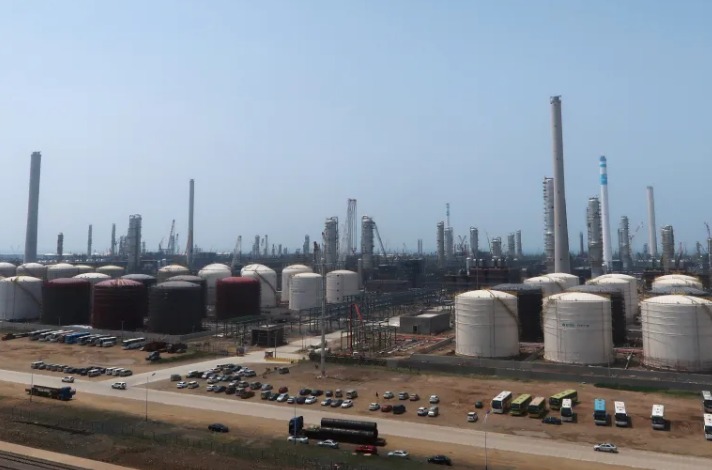
Sanctions often cripple the economies of targeted nations. For instance, comprehensive sanctions against Iran have significantly hampered its oil exports—its primary source of revenue. The economic downturn often leads to increased inflation, unemployment, and can precipitate social unrest.
2. Diplomatic Relations
Sanctions can strain diplomatic relationships, pushing target countries closer to adversaries of the US or isolating them entirely. This effect alters global geopolitics, as nations must navigate their alliances within this context.
3. Humanitarian Concerns
While US sanctions aim to impact political and economic elites, they often inadvertently affect the civilian population. Essential goods such as food and medicine may become scarce, leading to humanitarian crises that draw criticism from international observers and human rights organizations.
Case Studies
To better understand the implications of US sanctions, let’s examine notable case studies:
Iran
The sanctions on Iran have evolved over decades. Following concerns about its nuclear program, the US implemented stringent sanctions that cut Iran off from the international financial system. These sanctions have led to economic isolation, spurring domestic discontent and affecting the overall quality of life for its citizens. The Iran Nuclear Deal, formally known as the Joint Comprehensive Plan of Action (JCPOA), unveiled in 2015, aimed to lift some of these sanctions in exchange for Iran’s commitment to limit its nuclear activities. However, the US withdrawal from the agreement in 2018 reinstated many sanctions, exacerbating tensions.
North Korea
The sanctions against North Korea, a response to its nuclear weapons program, depict a long-standing challenge for US foreign policy. Economic sanctions have tried to curb the regime’s development of nuclear capabilities but have not yielded a change in behavior. Instead, North Korea has continued its missile tests, revealing a failure of sanctions to achieve their intended goals.
Venezuela
The US has imposed extensive sanctions on Venezuela due to the regime’s human rights violations and undemocratic practices. These sanctions target the oil industry, which serves as a lifeline for the Venezuelan economy. The result has been a catastrophic economic collapse, leading to mass migration and a severe humanitarian crisis.
Challenges and Criticisms of Sanctions
Despite their intentions, US sanctions face several criticisms:
- Critics argue that sanctions can be ineffective, as targeted regimes often become more entrenched in their positions.
- There are concerns about the ethical implications of causing civilian suffering in the name of political objectives.
- Some nations have successfully found ways to circumvent sanctions, raising questions about their overall effectiveness.
Future of US Sanctions
As global politics evolve, so too will the nature of US sanctions. Policymakers may need to adapt more flexible stra

tegies that consider both the immediate and long-term impacts of sanctions. In a rapidly changing world where new threats emerge constantly, the need for a responsive and strategic approach to sanctions is paramount.
Conclusion
US sanctions are a powerful tool of foreign policy, designed to compel change in hostile nations. However, their effectiveness and ethical implications remain contentious. Understanding the full scope of US sanctions—how they function, their impacts on target nations, and the global political landscape—is essential for comprehending contemporary international relations.

Comentarios recientes